
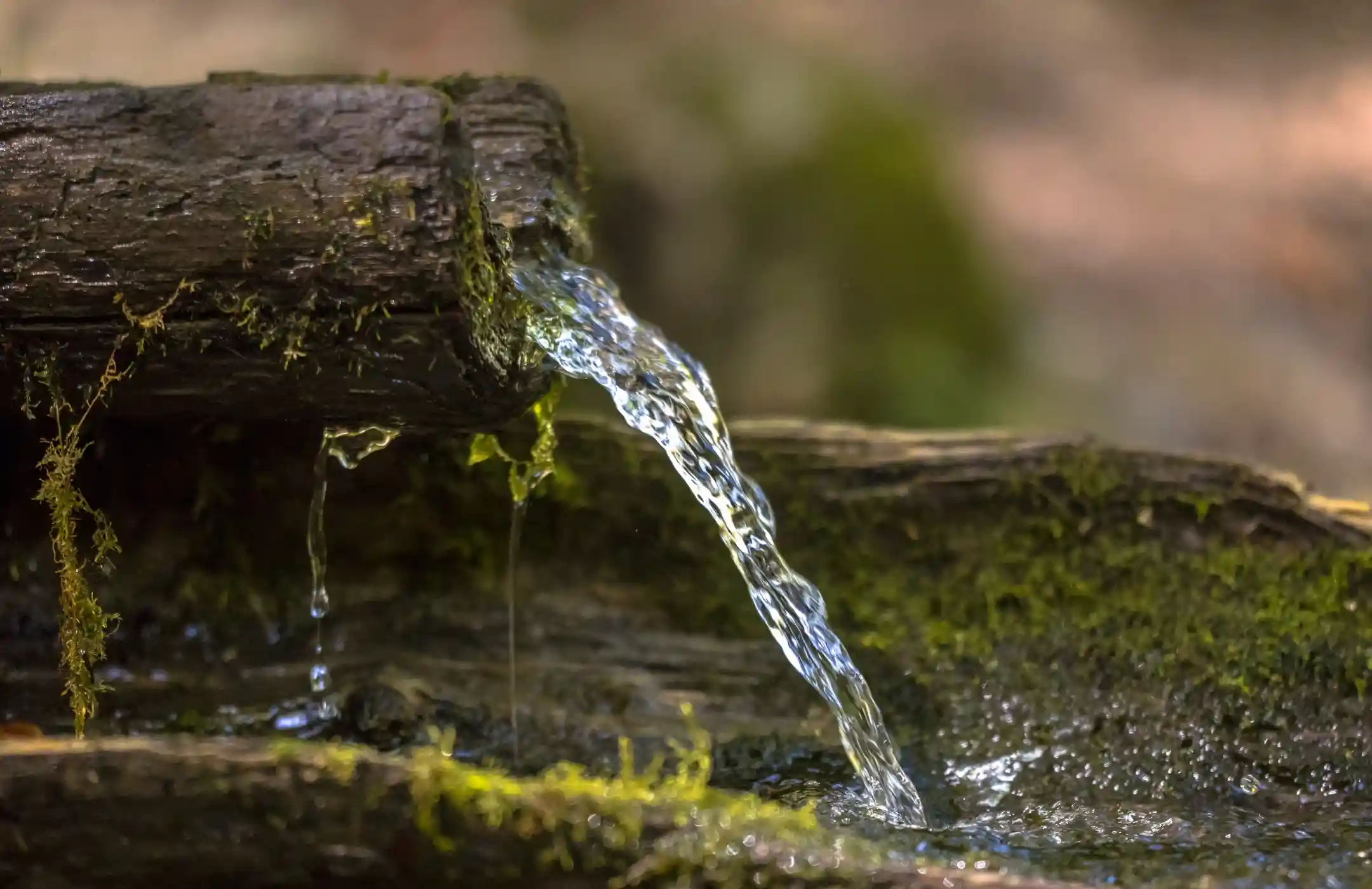
Water has always been an important part of life in Tabanan. From the mountain areas in the north to rice fields, rivers, villages, and the coastline in the south, water supports agriculture, local communities, and Bali’s traditional relationship with nature.
Tabanan has a varied landscape that stretches from coastal areas to mountainous land reaching approximately 2,276 metres above sea level. Its northern boundary includes mountains such as Mount Batukaru, Mount Sanghyang, Mount Pohen, Mount Penggilingan, and Mount Beratan. This elevation creates a natural environment shaped by rainfall, forests, rivers, lakes, and agricultural land.
Located in Desa Lumbung Kauh, Selemadeg Barat, Drago Wijaya Estate benefits from the green and peaceful character associated with this part of West Bali.
From the Mountains to the Lowlands
The water landscape of Tabanan begins in its higher areas.
Rain falls across the mountains, forests, plantations, and hills before moving through the wider natural water system. Some water flows into rivers and irrigation channels, while some enters the soil and becomes part of the underground water system.
Tabanan’s official geographic profile explains that the regency consists of both mountainous and coastal areas. Rainfall, lakes, rivers, and the shape of the land all influence the region’s water storage and irrigation systems.
This connection between the mountains and lower agricultural areas is visible throughout Tabanan. Green rice fields, plantations, village gardens, rivers, and traditional irrigation networks form part of the natural identity of the region.
Water and the Agricultural Character of Tabanan
Tabanan is widely recognised as one of Bali’s important agricultural regions.
Approximately 28% of the regency’s land is recorded as rice fields, while many other areas are used for plantations, gardens, and wider agricultural activities. Water plays a central role in supporting these landscapes.
The traditional Balinese subak system demonstrates how water is shared and managed across agricultural communities. Subak is not only a physical irrigation network but also a social, cultural, and spiritual system built around cooperation and the fair distribution of water.
The Catur Angga Batukaru area in Tabanan includes numerous subak communities and forms part of Bali’s internationally recognised cultural landscape. These areas demonstrate the long-standing relationship between mountain environments, water, agriculture, and community life.
Why Water Can Feel Fresh and Cool
Water from underground sources often feels naturally cooler because it is protected from direct sunlight and daily changes in surface temperature.
As rainwater moves through soil and layers of rock, it may become part of the groundwater system. The exact character of the water will depend on the location, soil conditions, depth, surrounding land use, and local geology.
In green rural areas, water is often associated with a fresher natural atmosphere because the surrounding environment has more vegetation, agricultural land, shade, and less dense construction.
However, the appearance of water alone cannot confirm its quality. Clear water is not automatically safe to drink, and every residential water source should be tested before being used for consumption.
The Importance of Protecting Water Sources
Water is not only a practical resource in Bali. It also holds deep cultural and spiritual importance.
Bali’s provincial regulations recognise water as a source of life and provide guidance for protecting lakes, springs, rivers, and the sea from pollution and environmental damage. The regulation encourages the protection of vegetation, restrictions on waste disposal, and responsible use of water resources.
Protecting forests, gardens, rivers, water catchment areas, and agricultural landscapes is essential for maintaining the long-term availability of water.
For residential developments, responsible water management should include:
- Appropriate bore-well planning
- Regular water-quality testing
- Controlled water consumption
- Effective wastewater management
- Good drainage systems
- Protection of surrounding vegetation
- Avoiding contamination from waste and chemicals
These practices help ensure that natural water resources continue to support both residents and the surrounding community.
Water at Drago Wijaya Estate
Based on the current estate plan, Drago Wijaya Estate intends to use a bore-well water supply to support the residential units and estate facilities.
A bore well accesses water stored beneath the ground. The final water system will need to consider well depth, water availability, distribution, storage, filtration, and the daily needs of estate residents.
The current project information does not yet include laboratory results for the water source. For this reason, the website should not claim that the water is directly drinkable or guarantee a specific mineral quality before formal testing has been completed.
A safe website statement would be:
Drago Wijaya Estate is planned with a bore-well water supply, drawing from the natural underground water resources of the area. Further details regarding water quality, filtration, and distribution will follow the estate development plan.
This wording communicates the benefit of the planned water source without creating an unsupported guarantee.
Supporting a Nature-Led Lifestyle
The water system forms part of the wider natural concept planned for Drago Wijaya Estate.
The estate includes approximately 10,250 square metres of land, with areas intended for private residences, gardens, outdoor facilities, agricultural elements, and shared natural spaces.
Planned features include:
- A small lake
- Fish ponds
- Vegetable gardens
- Fruit orchards
- Rice fields
- Jogging paths
- Bicycle paths
- Bore-well water supply
Water will play an important role in supporting these features, from residential needs to gardens and landscape areas.
The goal is to create a living environment where nature is not simply used as decoration but remains part of everyday life.
Fresh Surroundings in West Bali
Selemadeg Barat offers an environment characterised by village landscapes, agricultural land, hills, plantations, and access to the West Bali coastline.
The combination of greener surroundings, a cooler seasonal climate, and lower-density development can create a more refreshing residential atmosphere than heavily built urban areas.
Residents of Drago Wijaya Estate can enjoy quiet mornings, tropical gardens, outdoor activities, and a stronger connection with the natural character of Tabanan.
This is particularly appealing for people looking for:
- A peaceful private residence
- A second home surrounded by nature
- A slower lifestyle in West Bali
- Greater space and privacy
- A residential environment away from dense tourism areas
- A Natural Resource to Be Valued
The water resources of Tabanan are closely connected to its mountains, rainfall, rivers, agricultural landscapes, and underground water systems.
While the region is often appreciated for water that feels fresh, clear, and cool, maintaining that quality requires responsible development and continuous environmental protection.
At Drago Wijaya Estate, the planned bore-well water supply will support a residential concept built around greenery, gardens, outdoor spaces, and natural living.
Further technical information regarding water quality and residential use should be confirmed through appropriate testing as the estate develops.
For more information about Drago Wijaya Estate, villa opportunities, facilities, and site visits, contact:
Angga Kusuma Wijaya
WhatsApp: +62 878-8756-7879